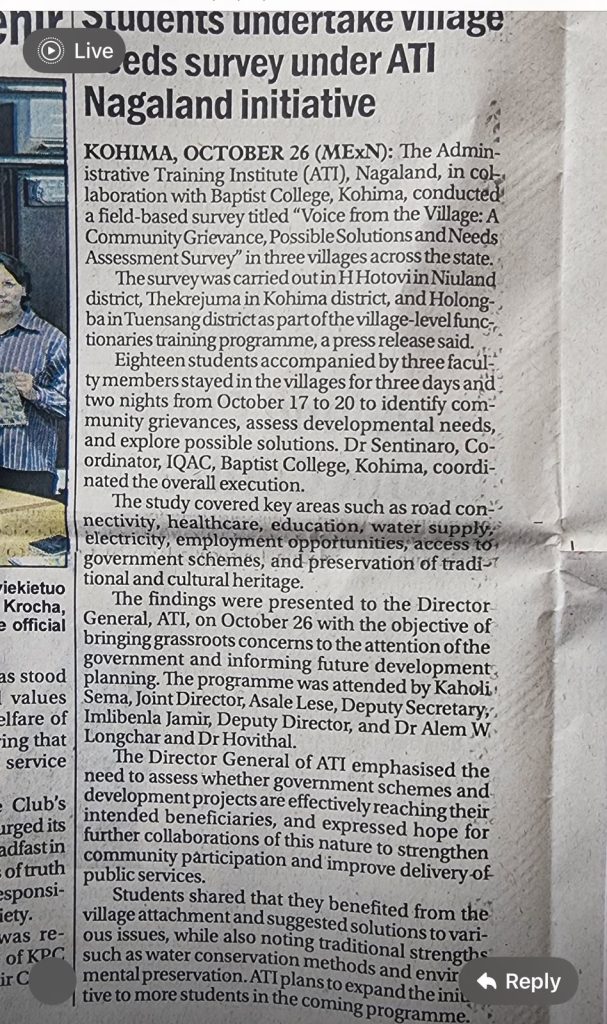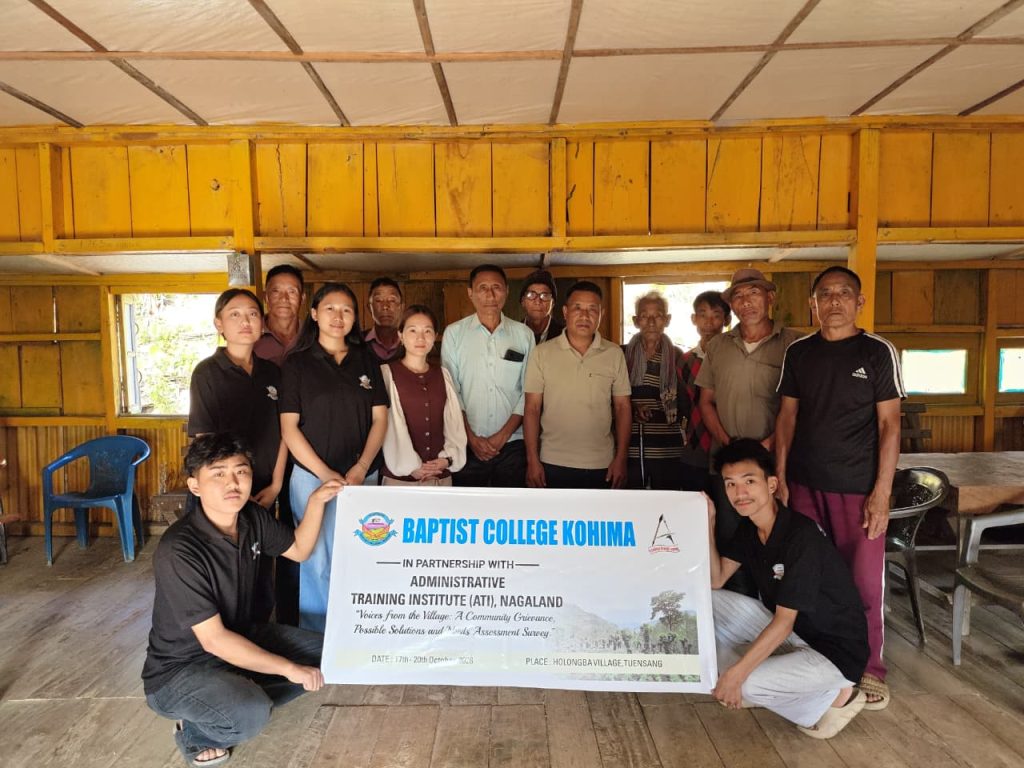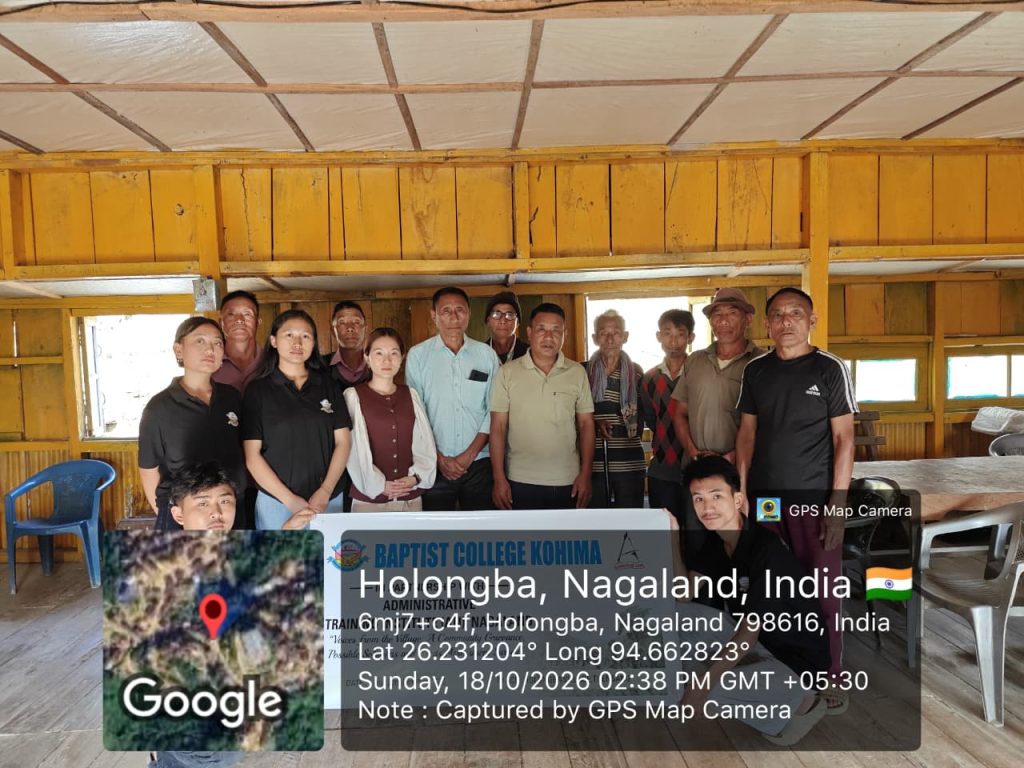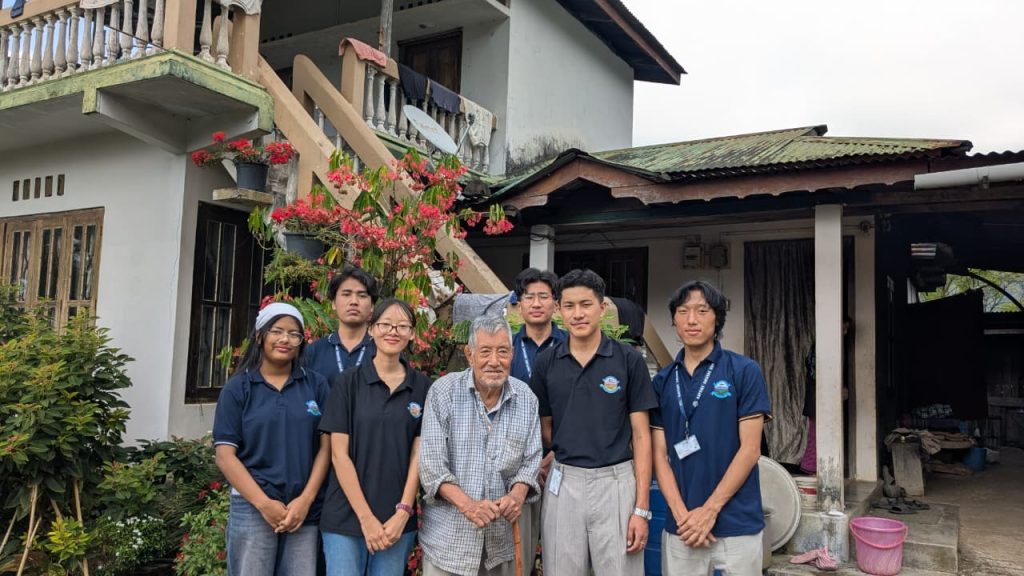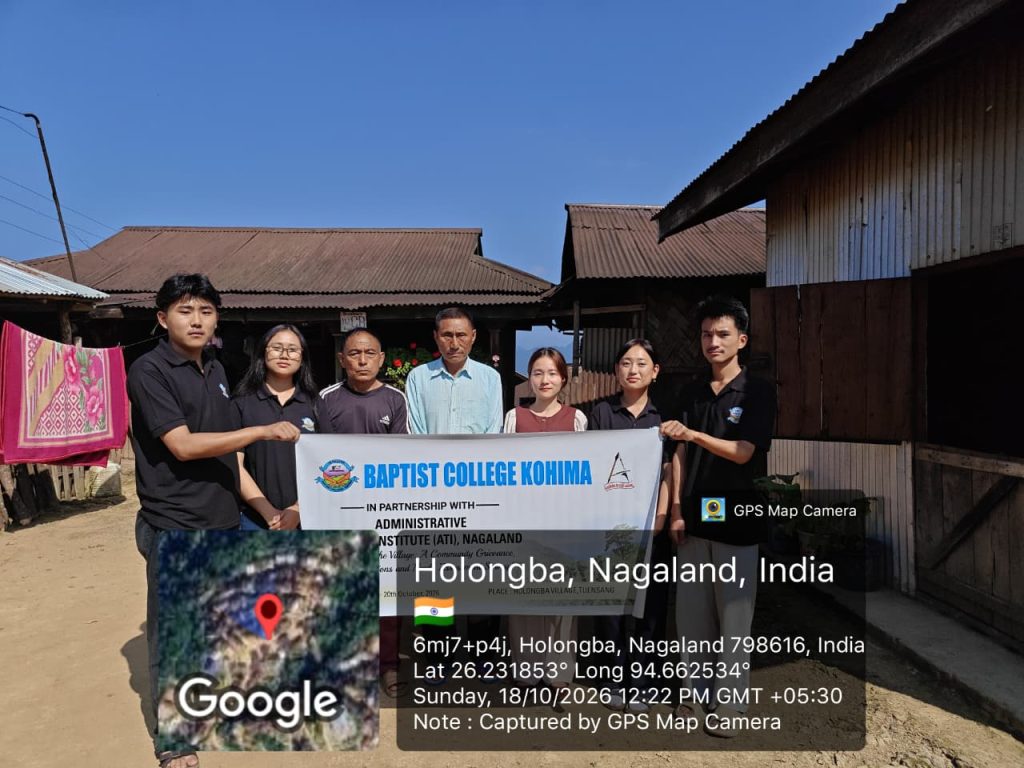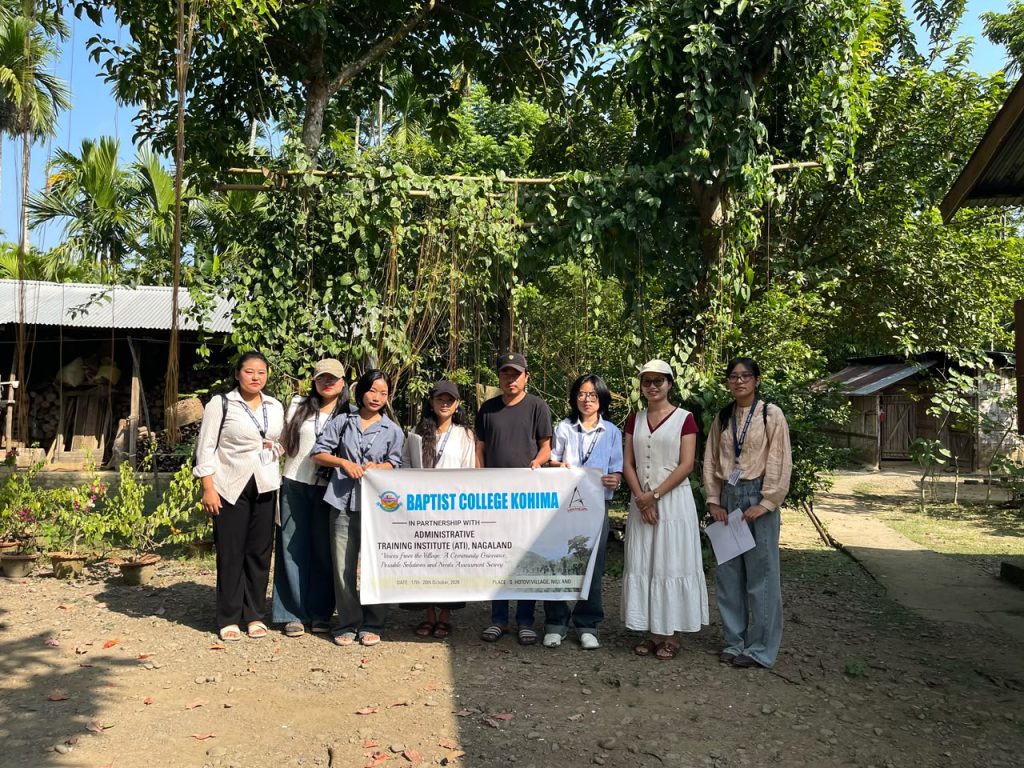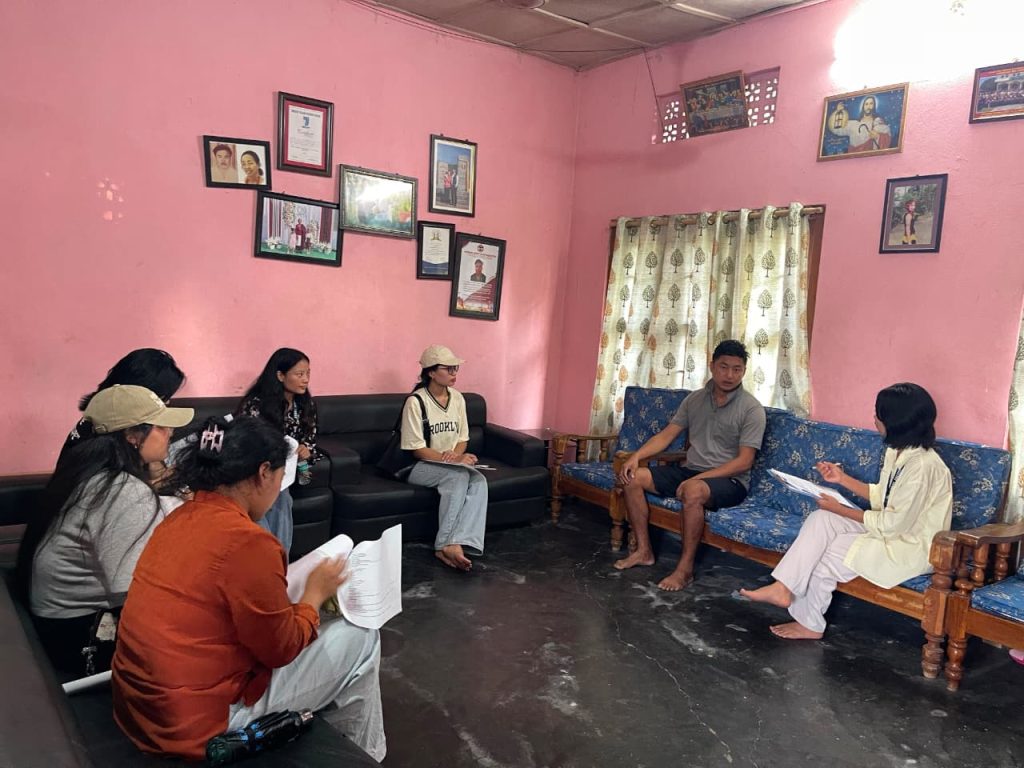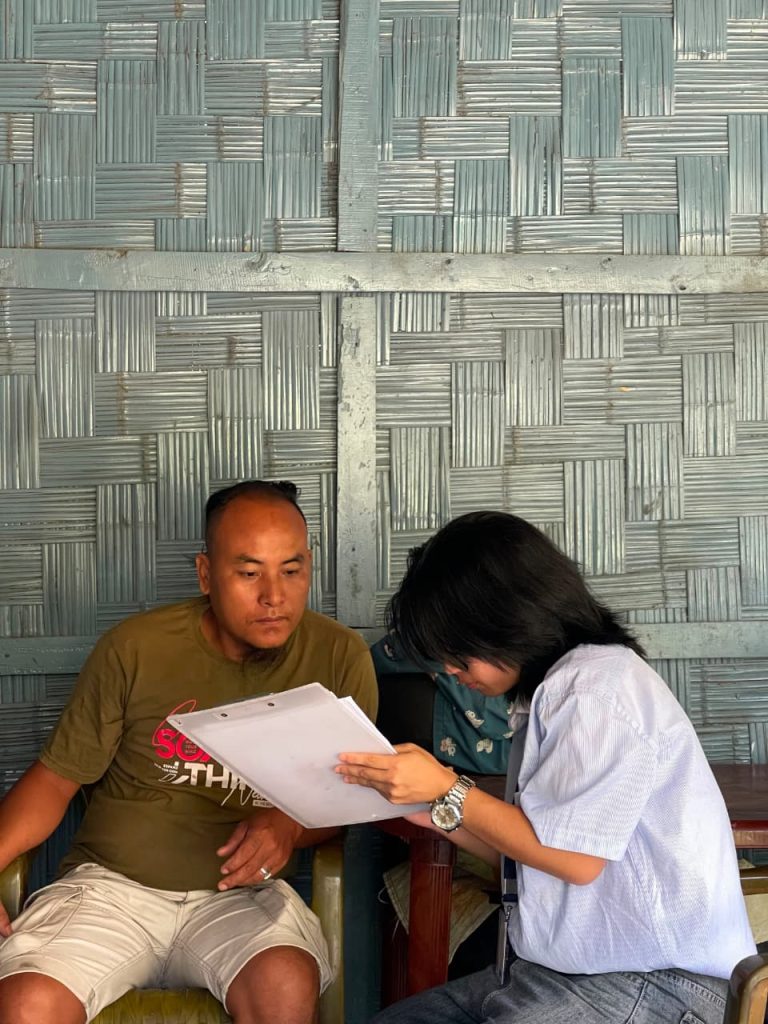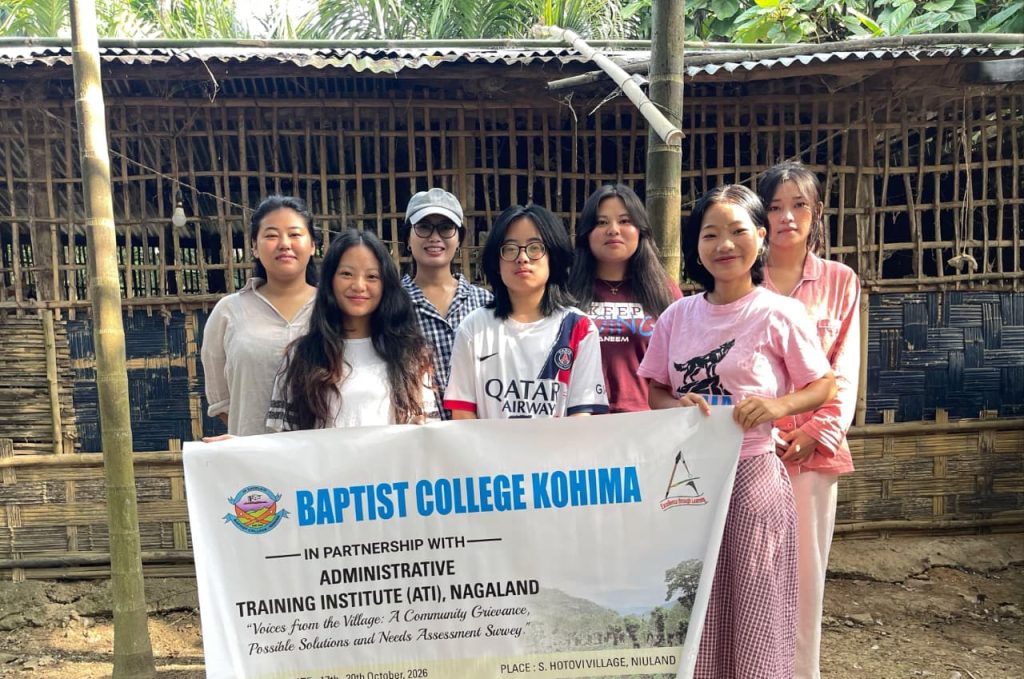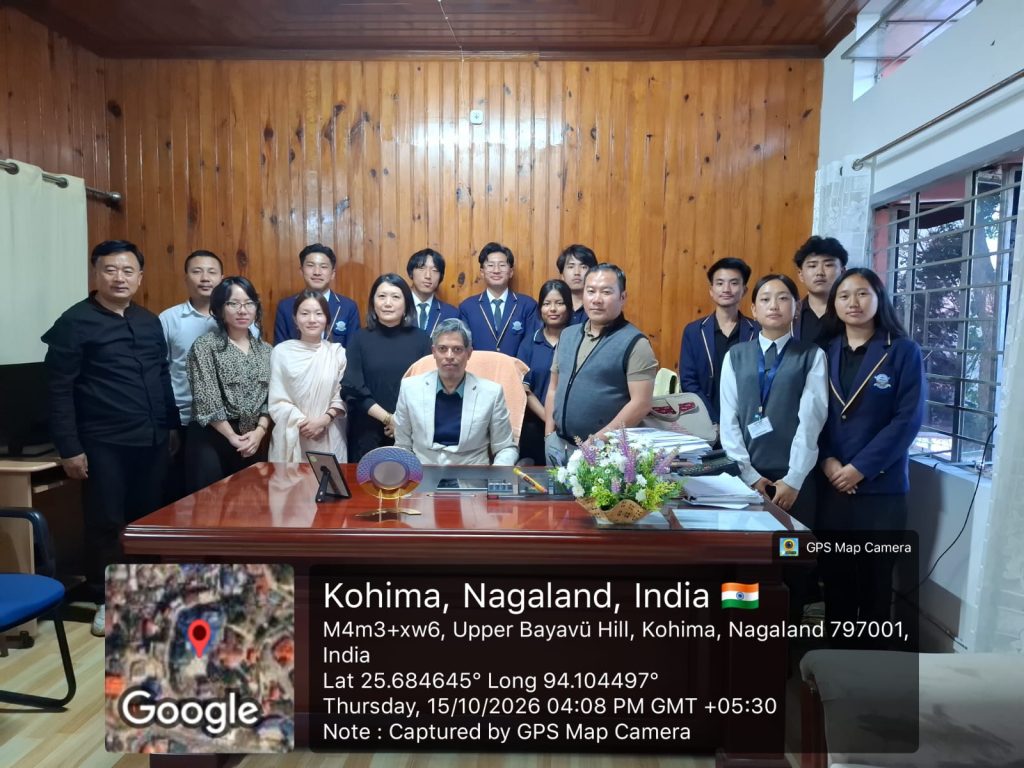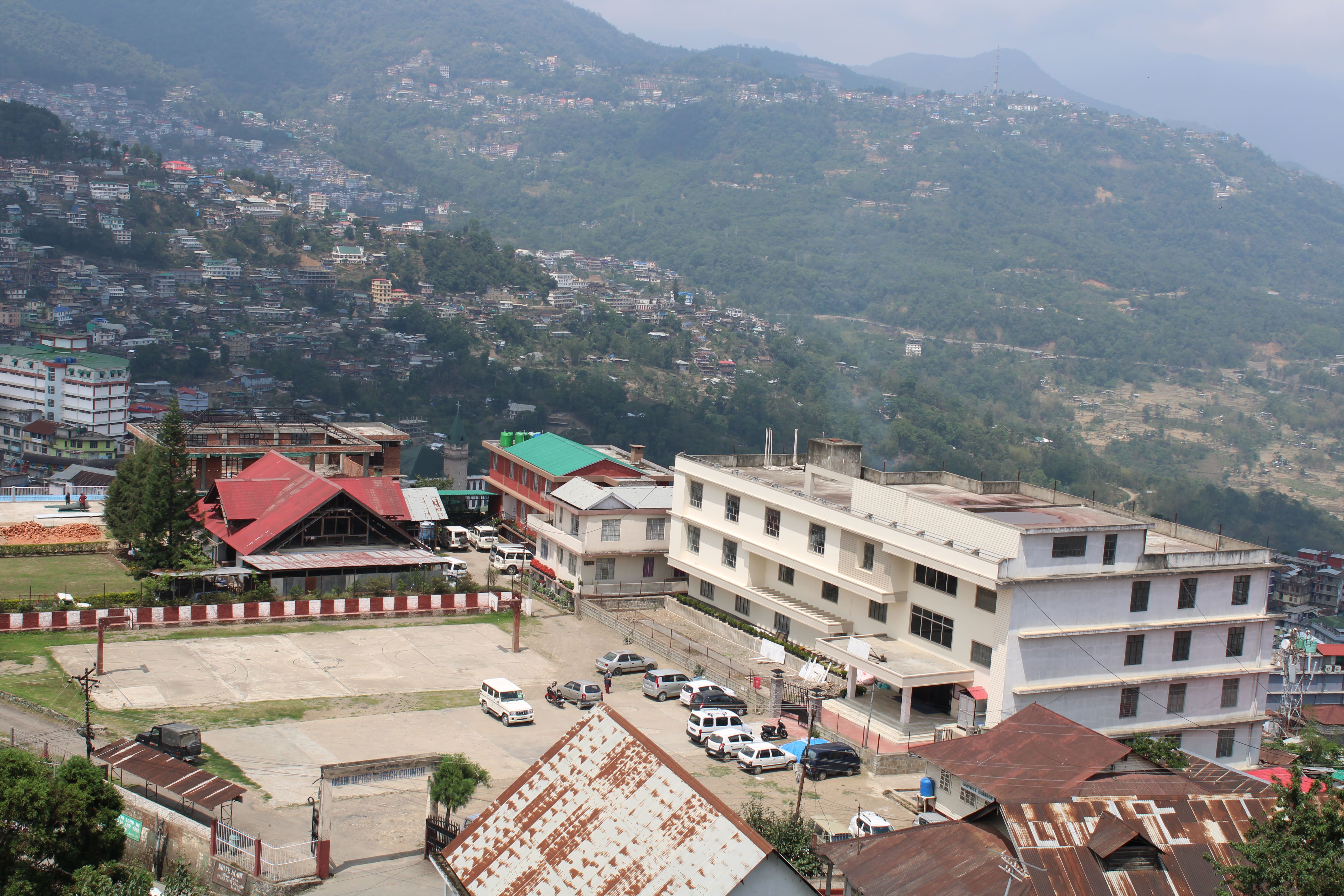
Baptist College, Kohima, in collaboration with the Administrative Training Institute (ATI), Nagaland, conducted field surveys in Holongba Village, Tuensang District; S. Hotovi Village, Niuland District; and Thekrejuma Village, Kohima District, from 17th to 20th October, 2026, under the initiative titled “Voices from the Village: A Community Grievance, Possible Solutions, and Needs Assessment Survey.”
Eighteen students accompanied by three faculty members- Ms. Tabitha K. Assumi, Assistant Professor, Department of History, Ms. Ngulievino Assistant Professor Department of Commerce and Ms. Rozila Sangtam, Assistant Professor, Department of English conducted the survey.
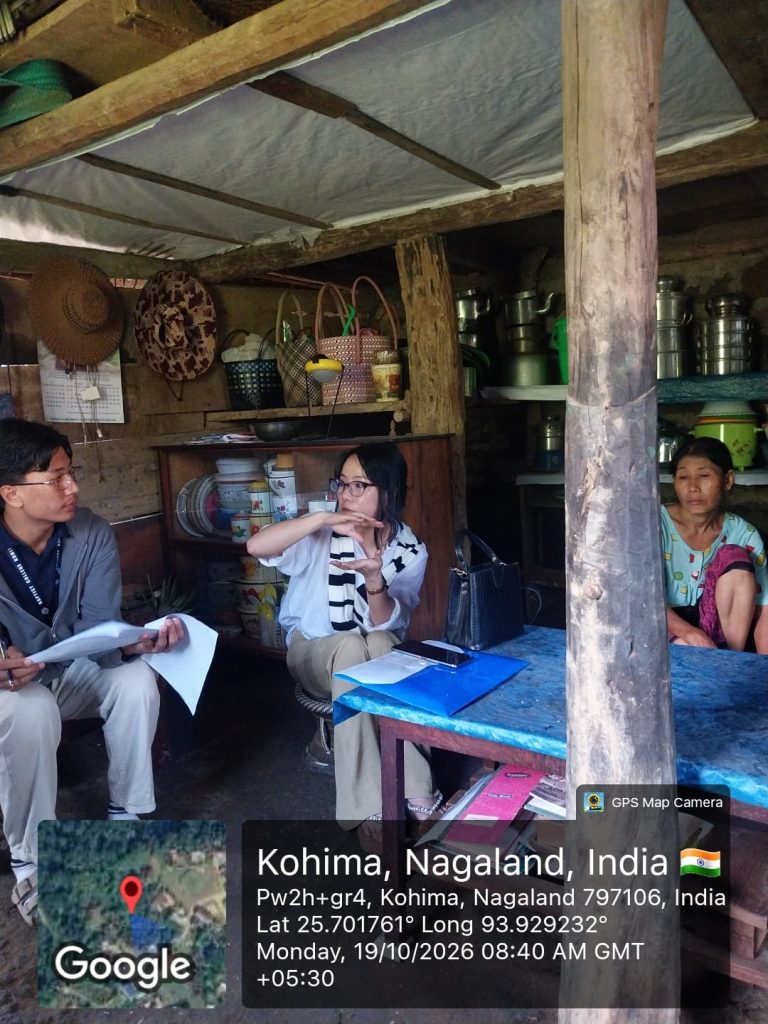
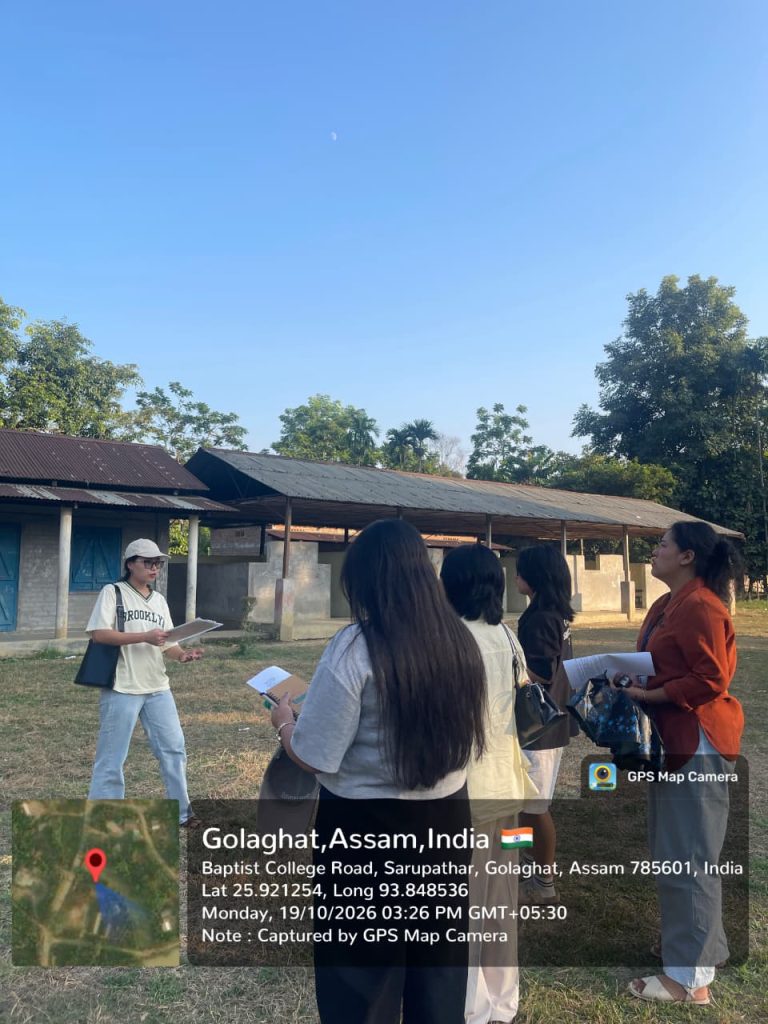
The initiative aimed at understanding the socio-economic conditions of the villages, document community grievances, assess the availability of essential public services, and identify areas for development. Faculty members and student teams interacted directly with village residents through household surveys, structured questionnaires, and field observations.
The findings highlighted several key concerns across the three villages, including inadequate road infrastructure, limited access to healthcare, challenges relating to drinking water and sanitation, gaps in educational facilities, poor electricity supply, digital connectivity, limited livelihood and employment opportunities. Difficulties in accessing government welfare schemes and essential public services were also discussed . Water scarcity emerged as a major concern in Holongba, while poor road conditions and the lack of functional healthcare facilities were prominent issues in S. Hotovi and Thekrejuma village.
The surveys also identified positive community initiatives and existing local resources, including sustainable agricultural and livelihood practices, and community-led environmental efforts such as vermicomposting, Prohibition of stone mining within the riverside areas falling under the village jurisdiction to protect the river ecosystem and conserve natural resources like designated forest area within the village, where hunting and the collection of forest resources are prohibited to protect wildlife, preserve biodiversity, and maintain ecological balance. These findings highlight the importance of combining government support with active community participation in addressing local development needs.
Based on the findings, the student teams recommended improved road connectivity, better healthcare services, adequate water supply and sanitation facilities, upgraded educational infrastructure, greater access to skill development and livelihood support, and improved awareness of government welfare schemes. The reports also emphasised the need for coordinated follow-up by village councils and the relevant government departments to address the identified grievances.
The initiative provided students with valuable field experience, enabling them to connect classroom learning with grassroots realities and develop a deeper understanding of community needs, public administration, and rural development. It also created an opportunity to document local concerns and communicate them through a structured assessment that may assist the relevant authorities in considering appropriate interventions.
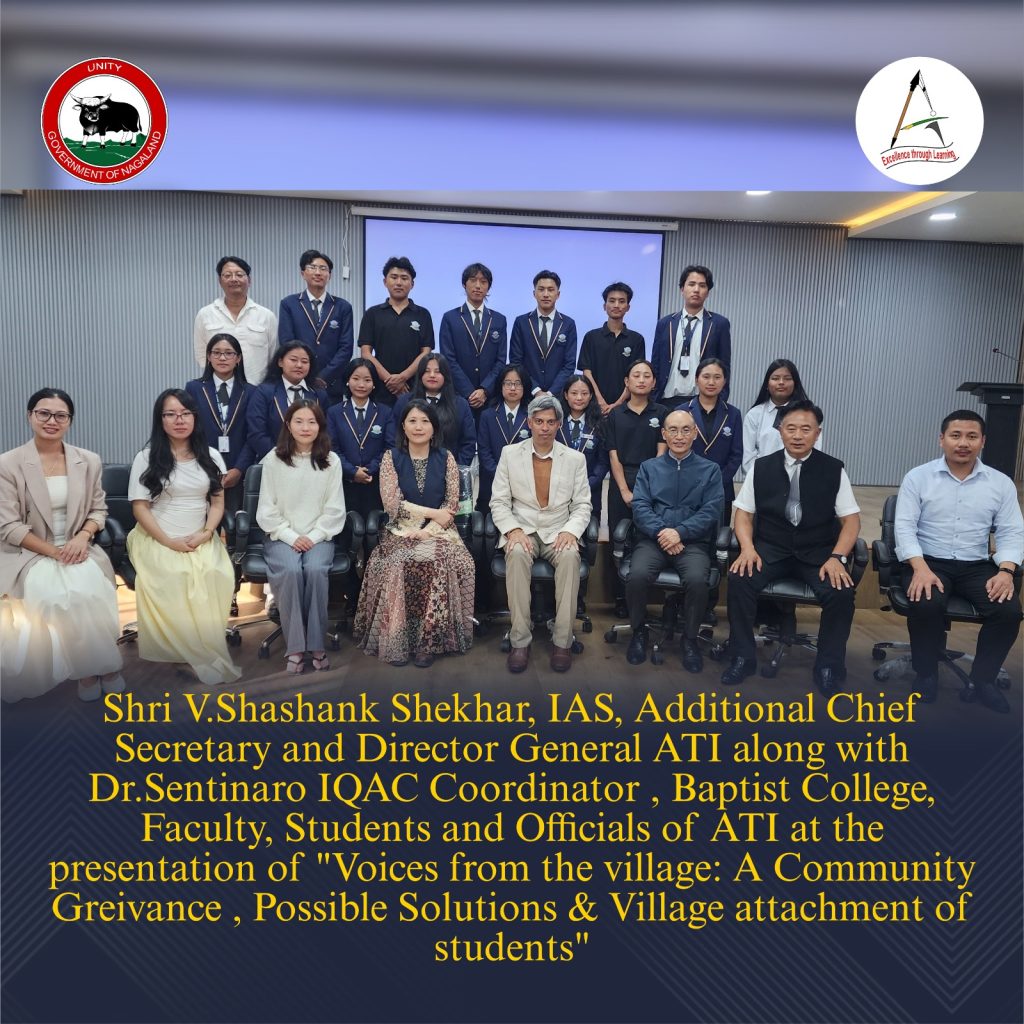
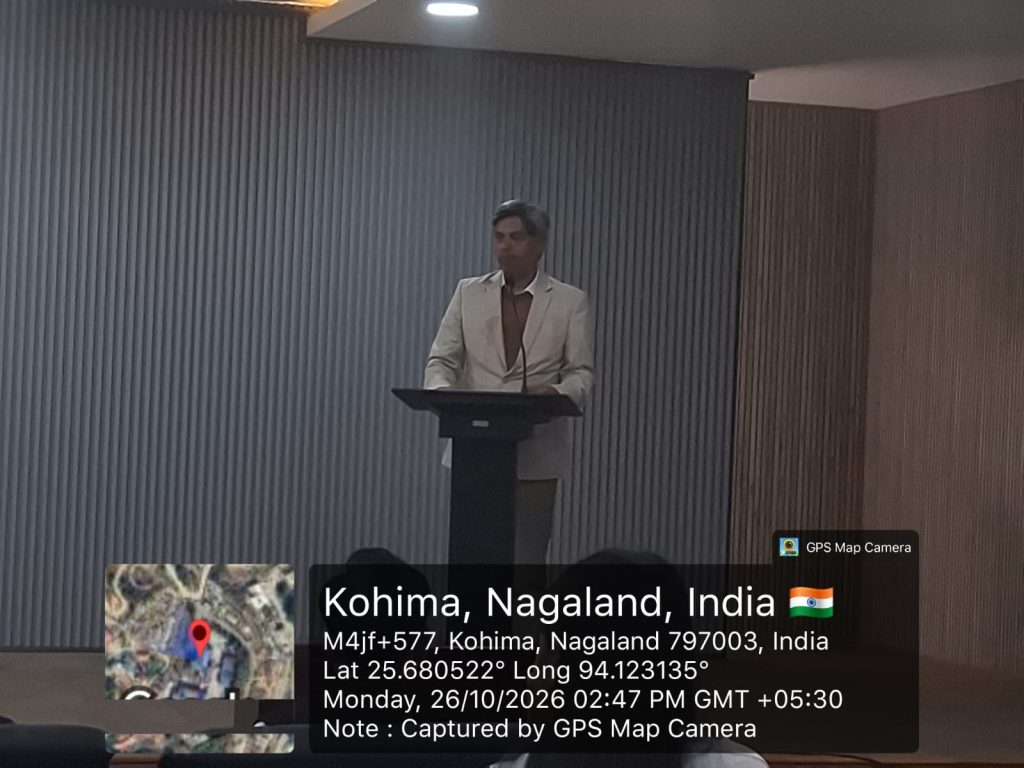
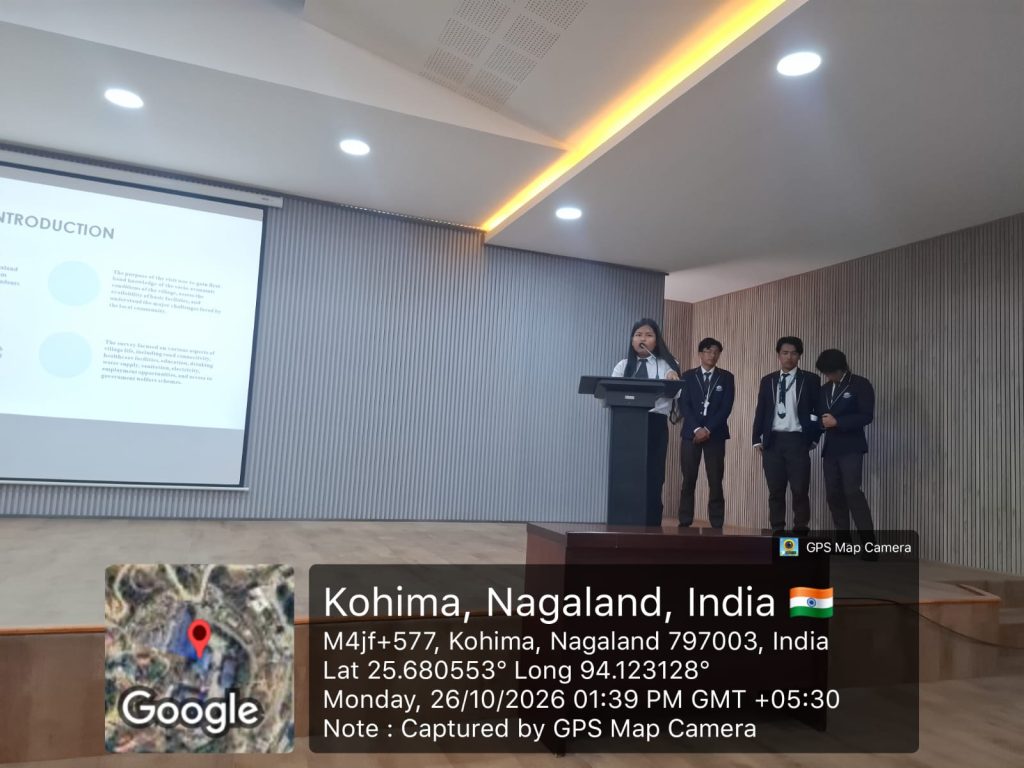
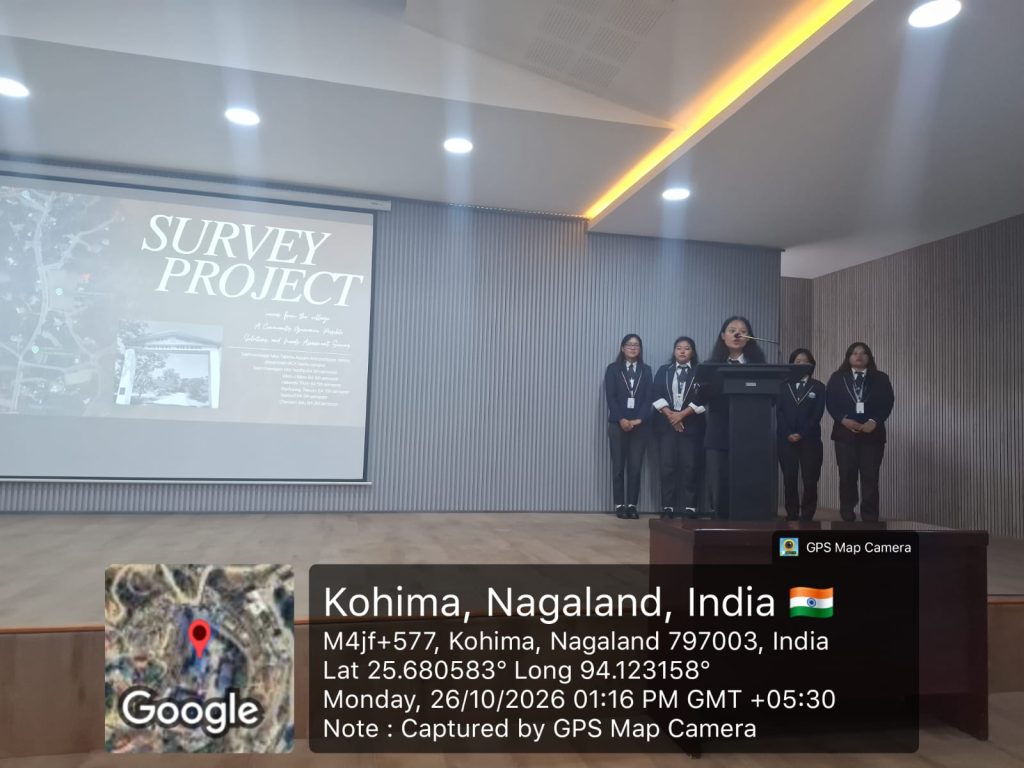
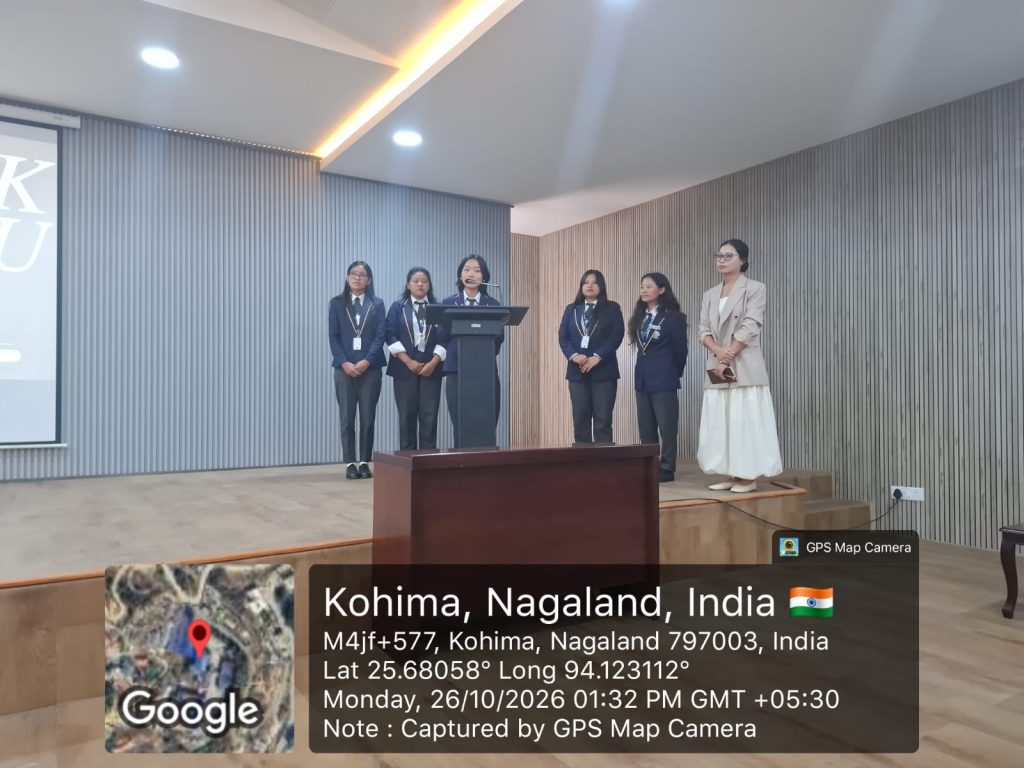
On return from the survey trips, the teams presented ppt on their observations, experiences, findings and recommendations in the presence of Shri V.Shashank Shekhar, IAS, Additional Chief Secretary and Director General ATI along with other officials on 26th October, 2026 in the ATI Conference Hall. All official documents relating to the same was handed over to the Director General, ATI
Through this collaboration, Baptist College, Kohima, and ATI Nagaland reaffirms the importance of community engagement, participatory assessment, and institutional cooperation in promoting inclusive and sustainable development. The findings and recommendations from the three villages are intended to serve as a basis for further discussion and follow-up with the concerned governments authorities.